How Easy Is It to Install a Log Cabin?
Installing a log cabin in your garden can be a rewarding project that adds both space and aesthetic value to your property. But how easy is it really to get one up and running? The answer depends on several factors, including the type of log cabin you choose, your DIY skills, and how well you prepare. In this blog, we’ll break down the process to help you decide whether to take on this project yourself or call in the professionals. How Easy Is It to Install a Log Cabin?
1. Choosing the Right Log Cabin for Your Skill Level
Before starting your installation, it’s important to choose a log cabin that suits your DIY experience. Cabins vary in style and materials, each with its level of difficulty.
Tongue and Groove Log Cabins: These cabins feature interlocking timber boards that fit snugly together using a tongue-and-groove system. This provides excellent strength, durability, and weather resistance. They offer a sleek, professional finish and are ideal for those with moderate to advanced DIY skills.
Shiplap Log Cabins: Shiplap cabins have interlocking timber boards with a tongue-and-groove design. This provides a tighter, more weather-resistant seal and a smooth, attractive finish. Shiplap cabins are more durable and require slightly more skill to assemble, making them suitable for those with moderate DIY experience.
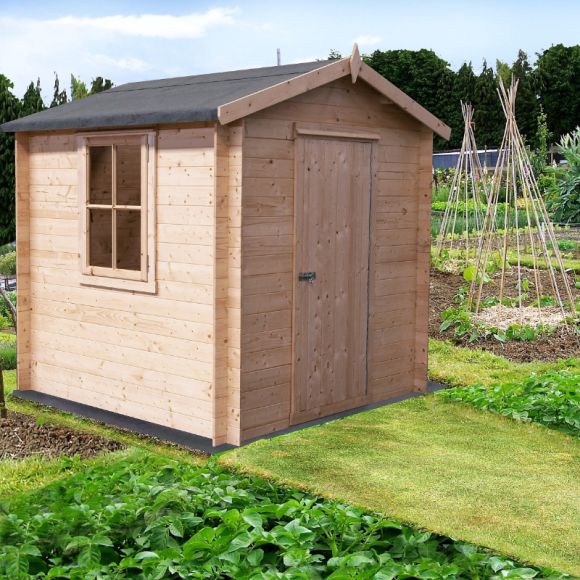
Multi-Room or Insulated Cabins: Advanced DIYers may opt for larger cabins with multiple rooms or additional insulation. These provide extra space and comfort but require detailed assembly, including fitting doors, windows, and insulation layers.
2. Pre-Installation: Preparing the Ground
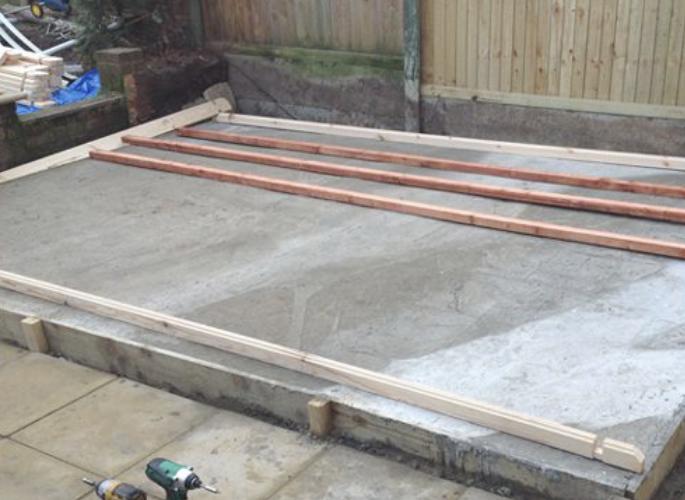
Before any assembly begins, you’ll need a level and stable foundation. There are several options to consider:
- Concrete Slab: The most stable but requires more preparation work.
- Paving Slabs: Easier to lay than concrete but still provides a solid base.
This stage can be labour-intensive but is crucial for ensuring your log cabin is stable and long-lasting. If you’re confident in your ability to level the ground and lay a base, this step should be straightforward. For those less experienced in groundwork, consider hiring a professional.
3. Understanding the Assembly Process
The assembly process will vary depending on the log cabin type and model. Most log cabins come with step-by-step instructions, but the ease of assembly depends largely on the following factors:
- Clear Instructions: High-quality log cabins often come with detailed, easy-to-follow guides. Make sure the instructions are clear and include diagrams.
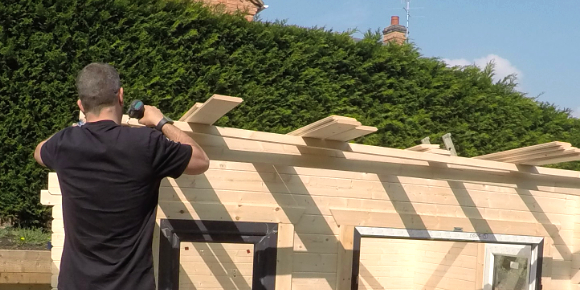
- Tools Required: Common tools include a hammer, screwdriver, drill, and spirit level. Some log cabins may require more specialised tools, but these are usually mentioned in the product details.
4. Potential Challenges During Installation
While many log cabins are designed for DIY installation, there are a few common challenges you might encounter:
- Misalignment of Logs: If the base isn’t perfectly level, it can throw off the entire assembly. This can lead to gaps and issues with doors or windows not fitting properly.
- Poor-Quality Fasteners: Some budget log cabins may come with subpar screws and fittings. It’s worth investing in higher-quality fasteners to avoid frustration and ensure durability.
- Weather Conditions: It’s best to install your log cabin in dry weather. Rain or wind can make assembly much more difficult and lead to mistakes.
5. Final Touches: Securing and Maintaining Your Log Cabin
Once your log cabin is up, there are a few finishing touches to consider:
- Anchoring the Cabin: Even with a solid base, it’s wise to anchor your log cabin to prevent it from shifting in high winds.
- Waterproofing and Sealing: Timber cabins may need additional waterproofing or sealing to protect against moisture.
- Adding Shelves or Storage Solutions: Interior customisation can make your log cabin more functional for your needs.
6. When to Call in the Experts
For those with limited DIY experience or for more complex installations, hiring a professional can save time and ensure a quality result. Many log cabin suppliers offer installation services, and the added cost might be worth it for peace of mind.
Conclusion: Can You Install a Log Cabin Yourself?
How Easy Is It to Install a Log Cabin? Yes, installing a log cabin can be an easy DIY project—if you choose the right cabin, prepare properly, and follow the instructions carefully. For small to medium-sized cabins, many people find the process straightforward and satisfying. However, more complex installations or challenging ground conditions might be best left to the pros.